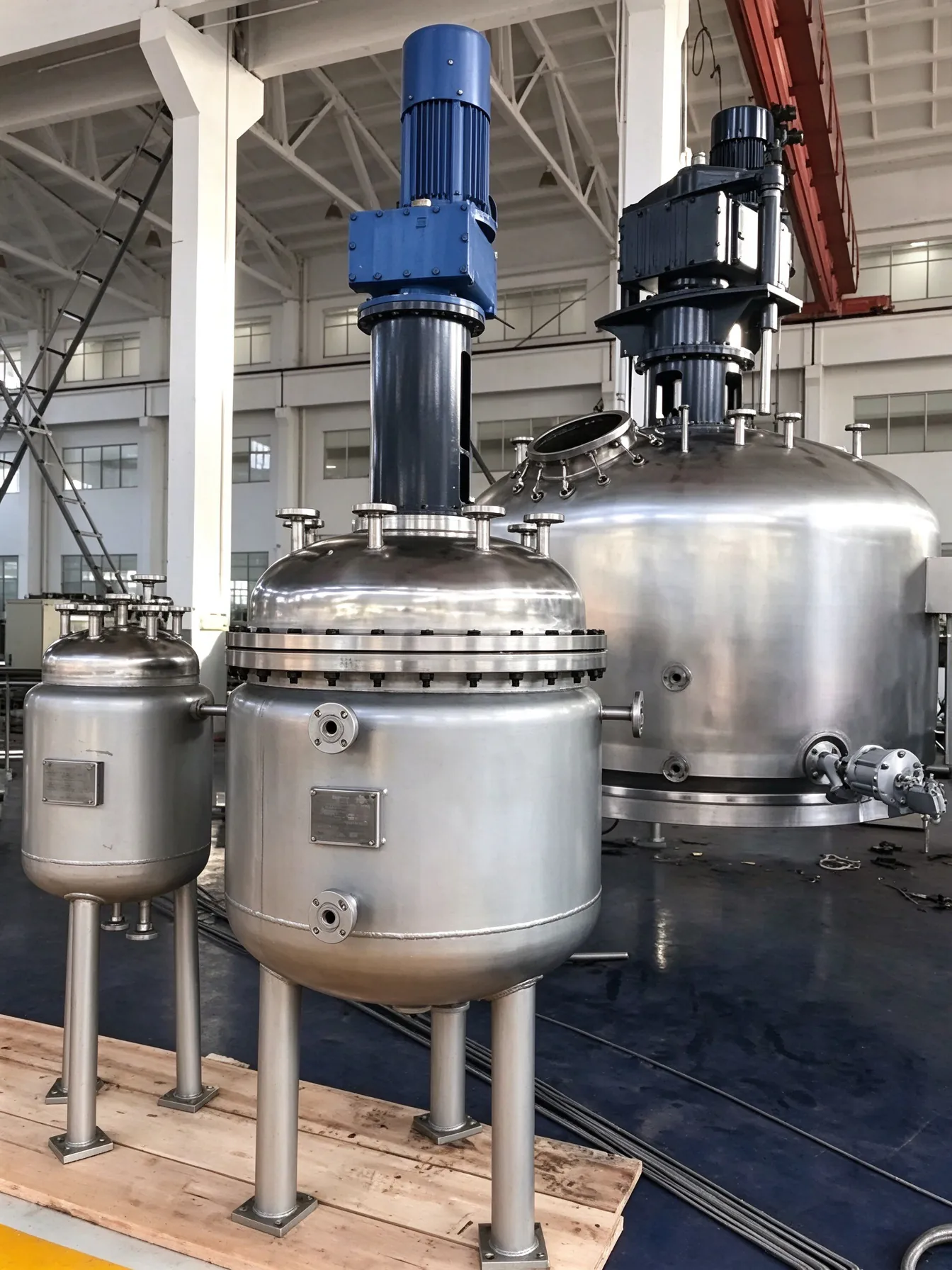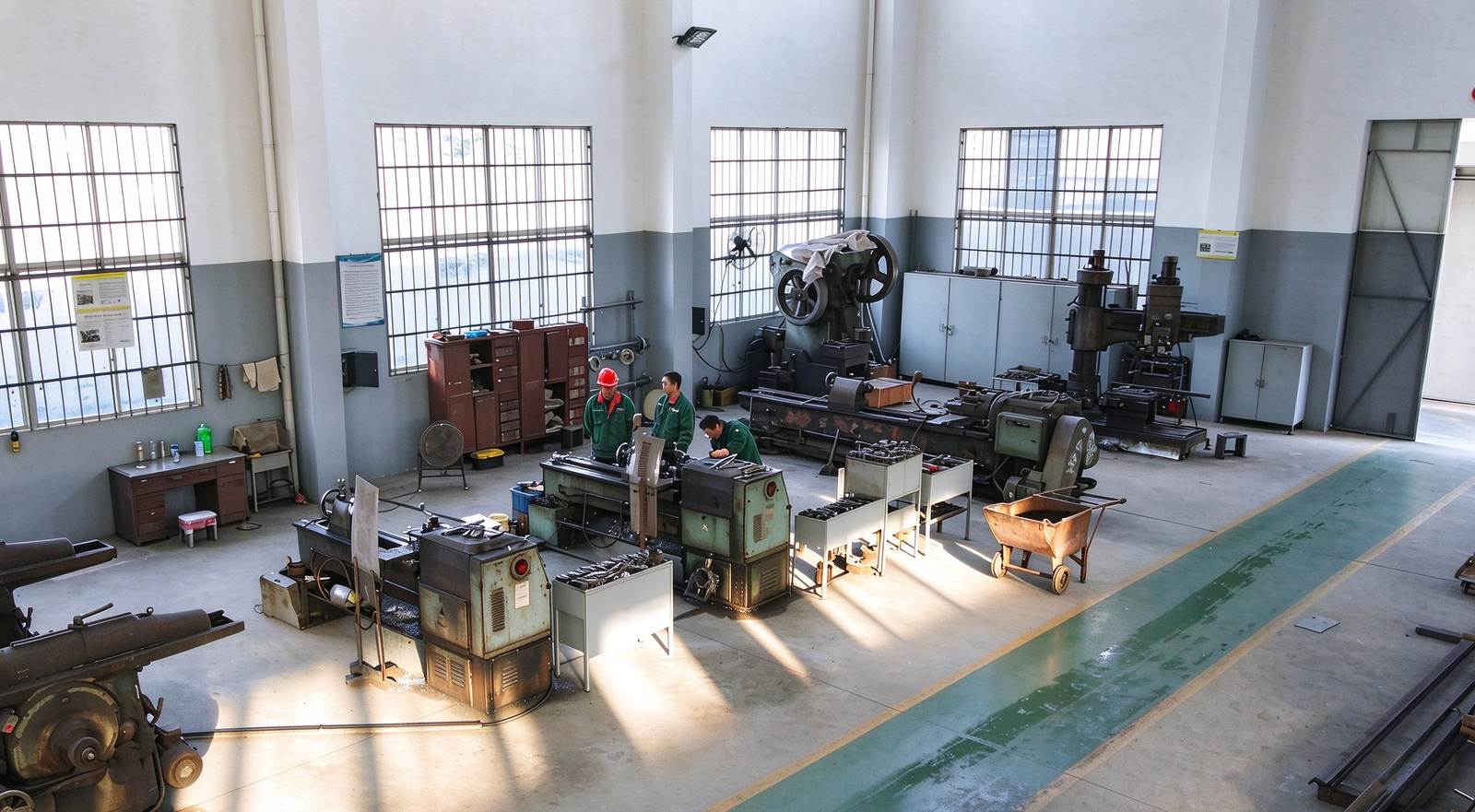
Agitated Nutsche Filter Dryer Manufacturer
JEXDRY supplies NFD equipment for filtration, washing and drying in one vessel. Explore base configurations and model specifications, then discuss a configuration matched to your material and process.
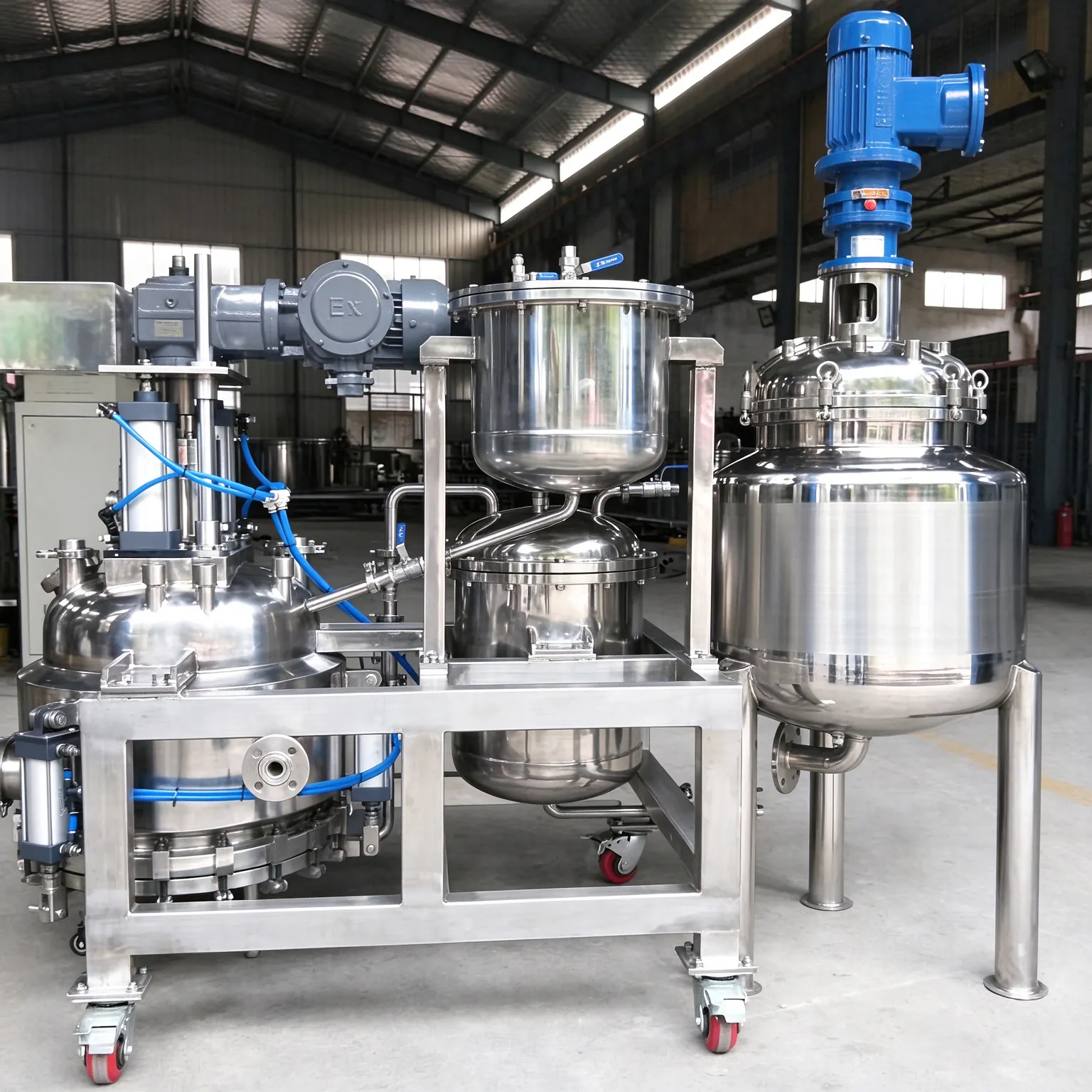
Choose the Base Configuration
Base construction affects access to the filter assembly and the maintenance layout. Select it alongside your cleaning method, filter-media replacement procedure and available installation space.
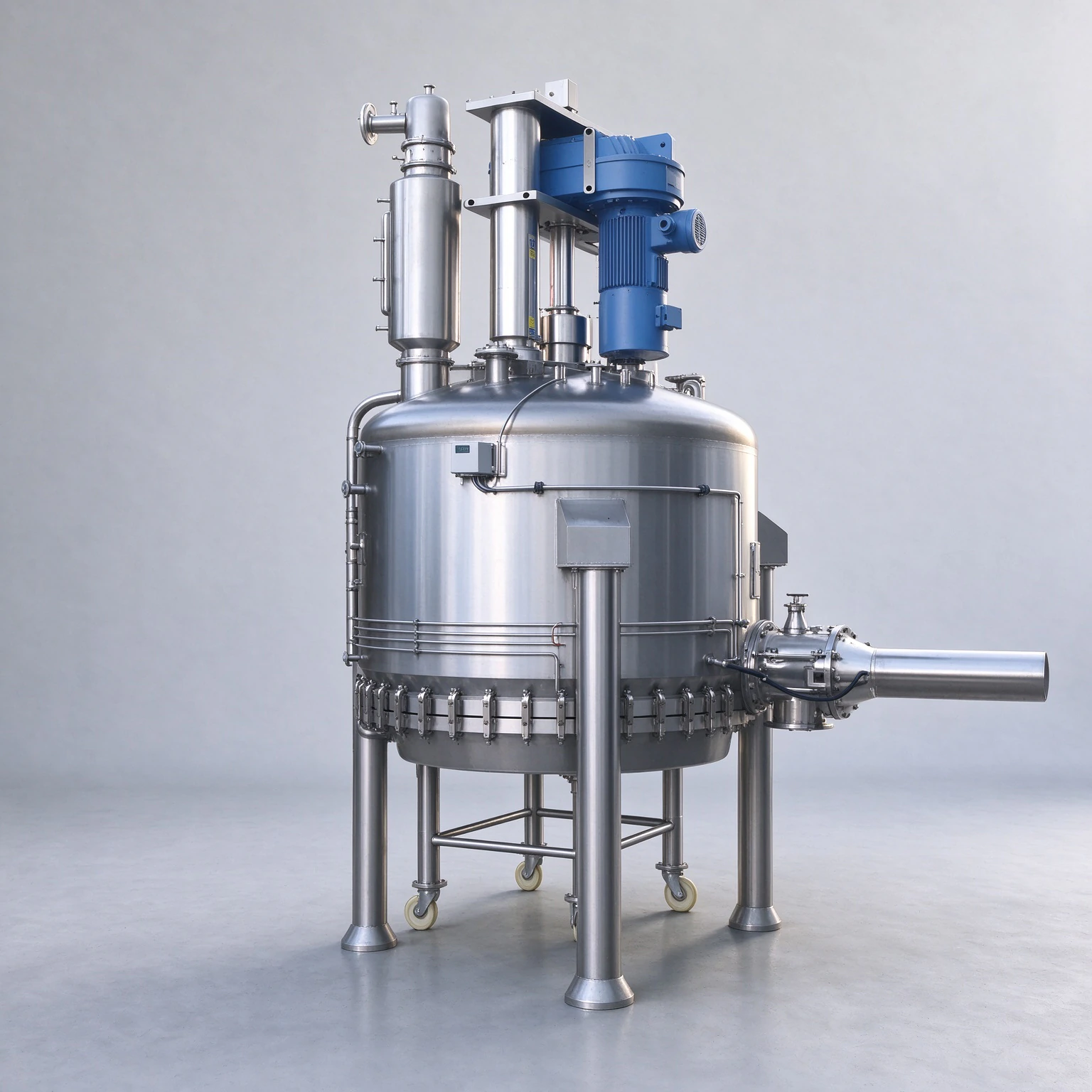
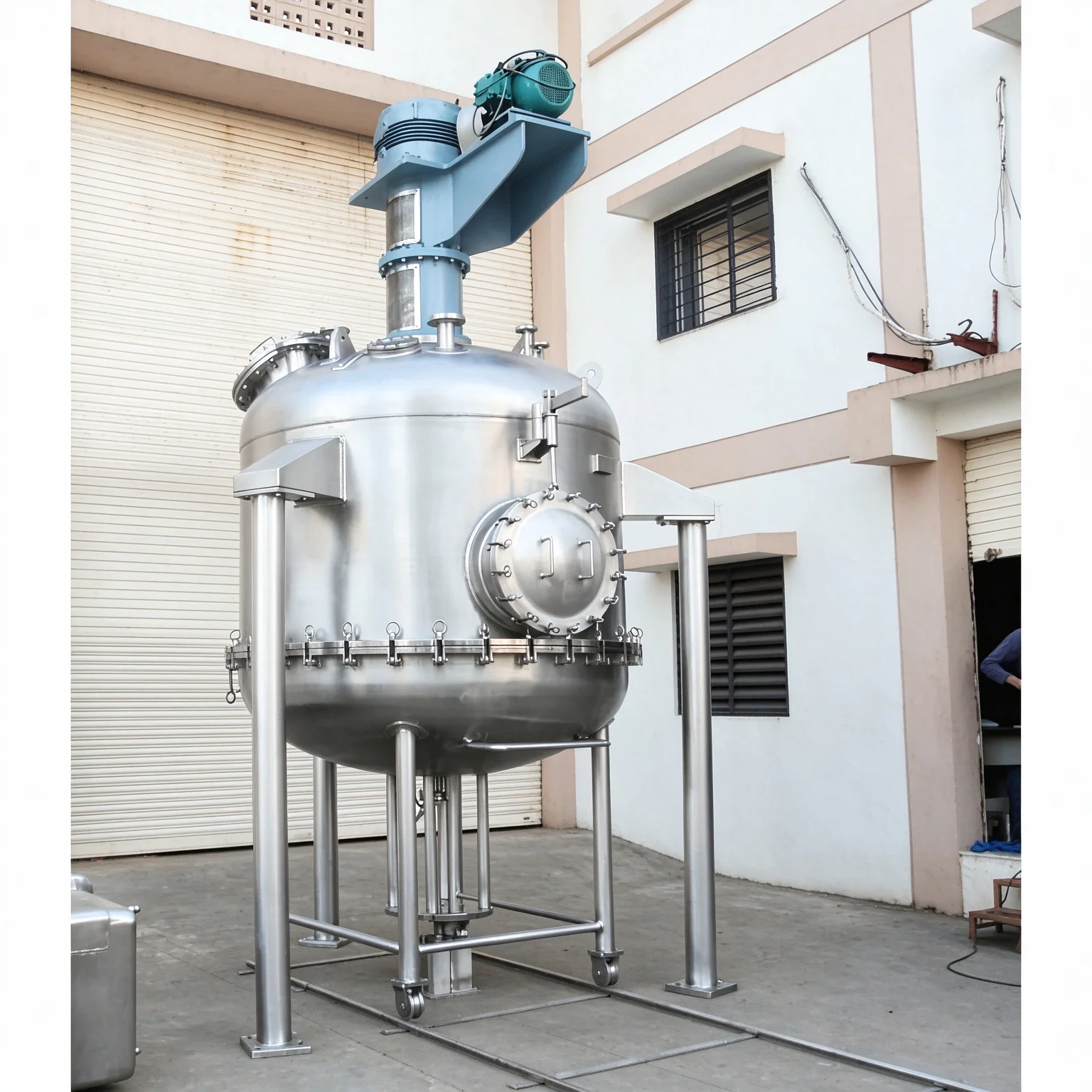
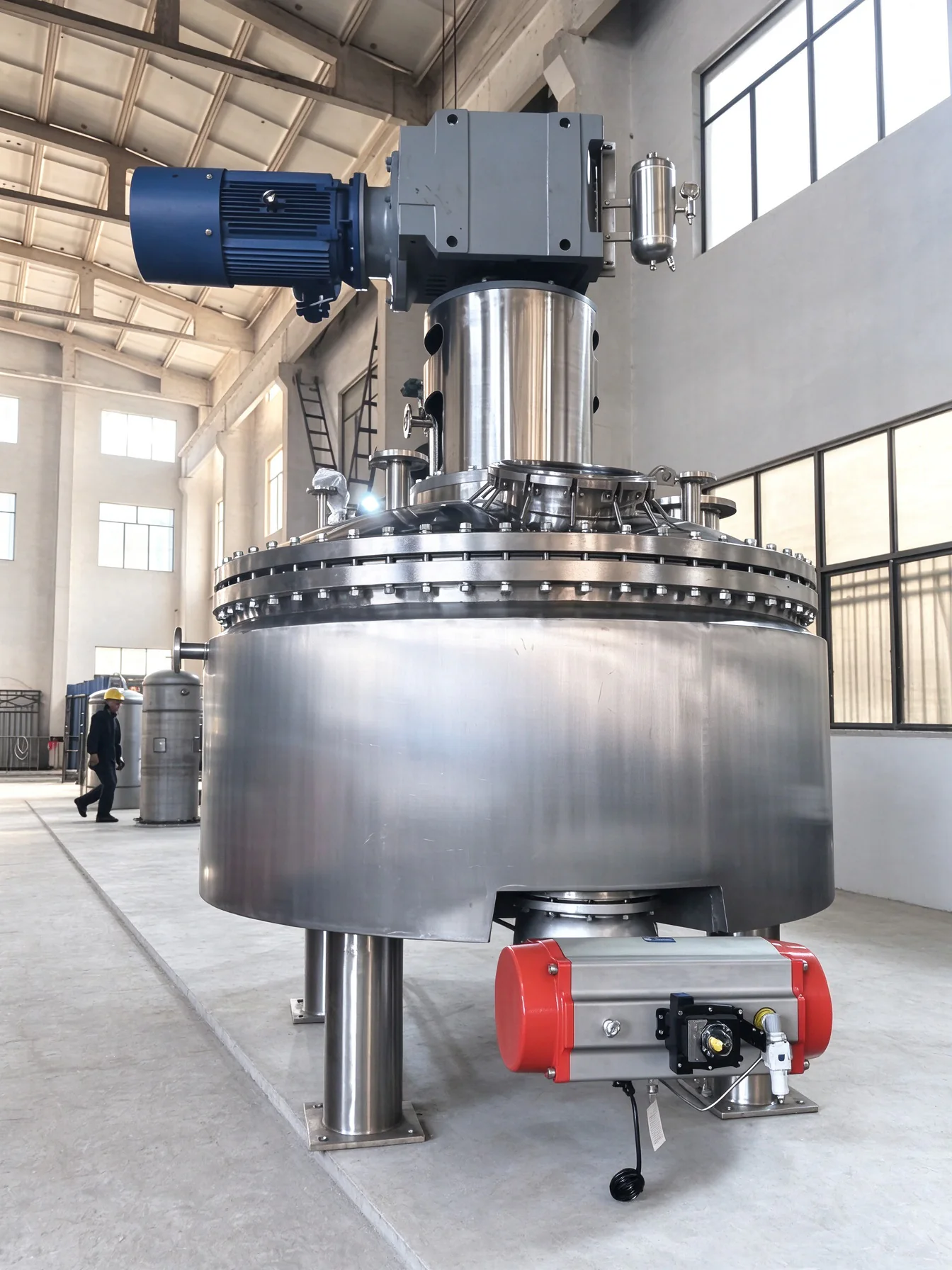
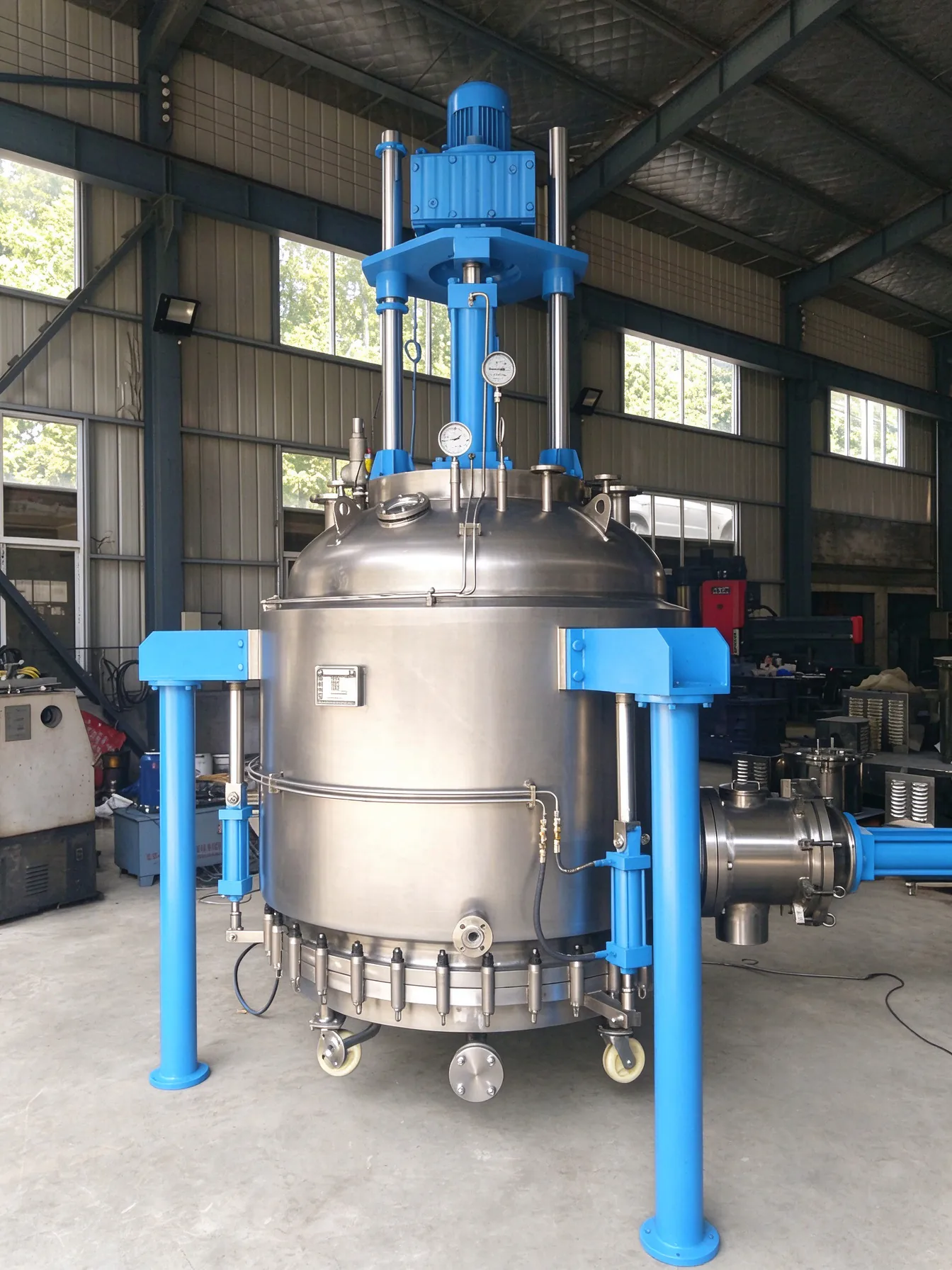
Fixed-Base Agitated Nutsche Filter Dryer
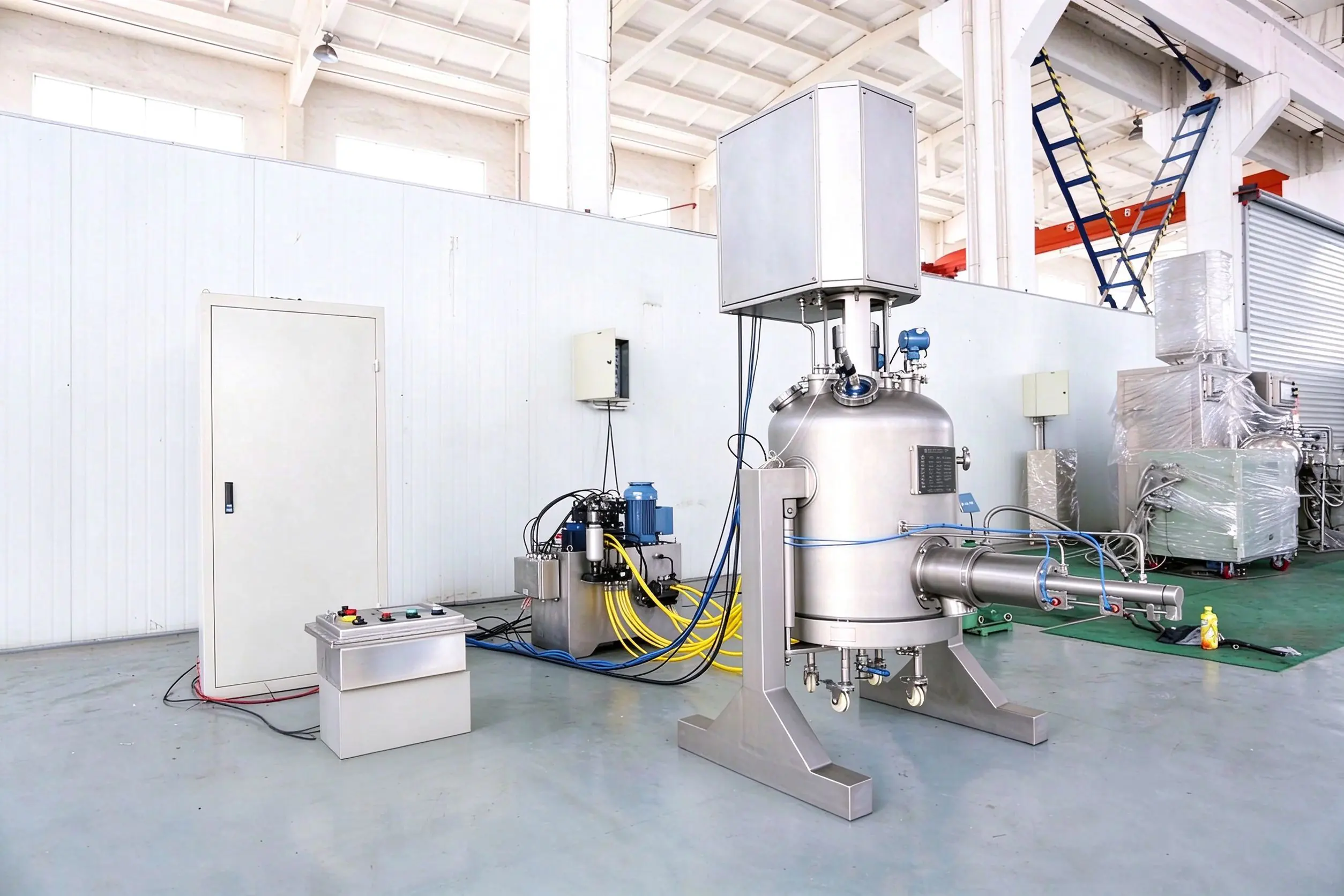
A fixed-base arrangement keeps the filtration base in place during routine operation. Plan access to the filter medium and internal surfaces through the agreed vessel openings.
Selection Tip: Consider when the maintenance procedure can work with the available vessel access.
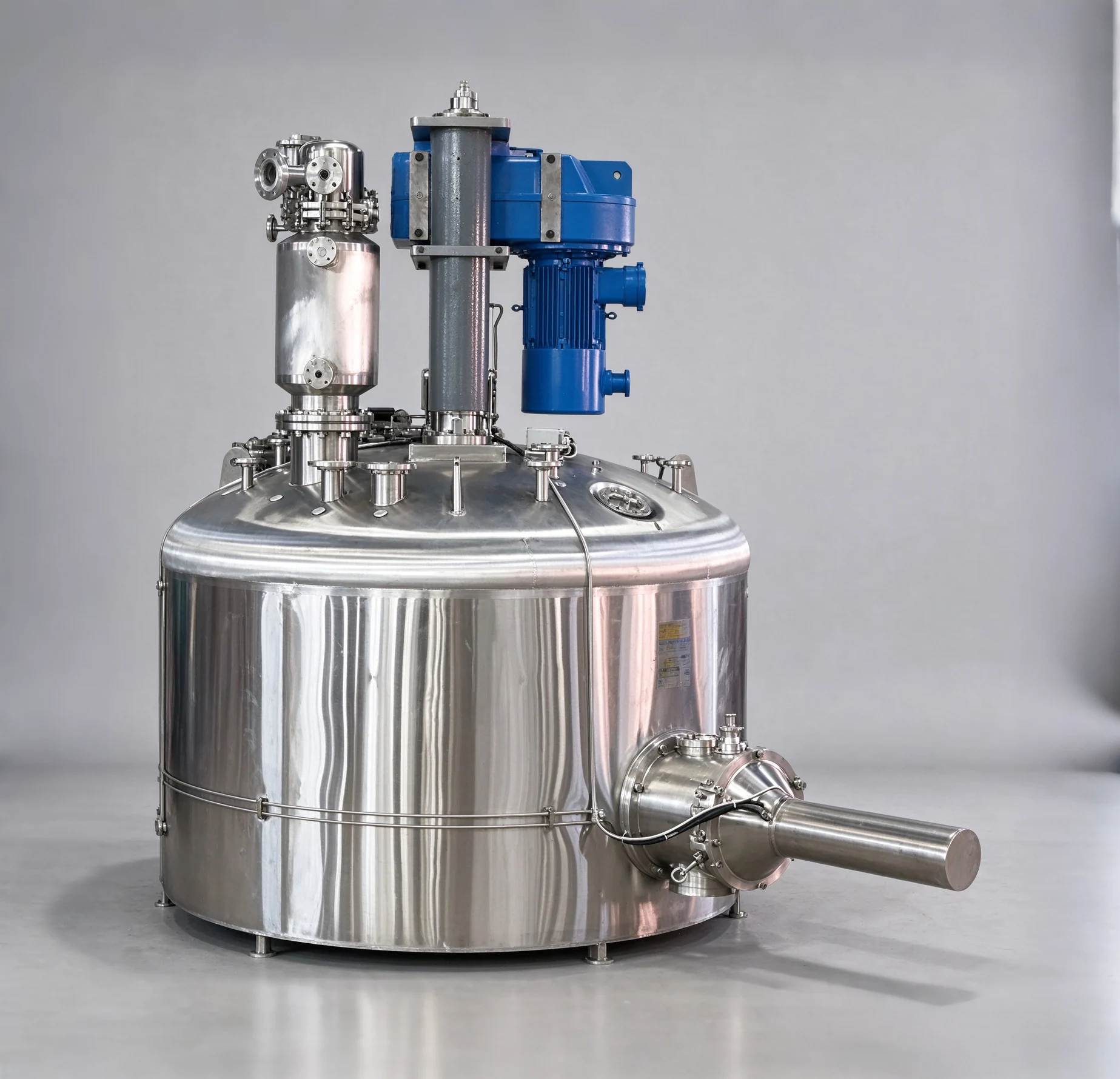
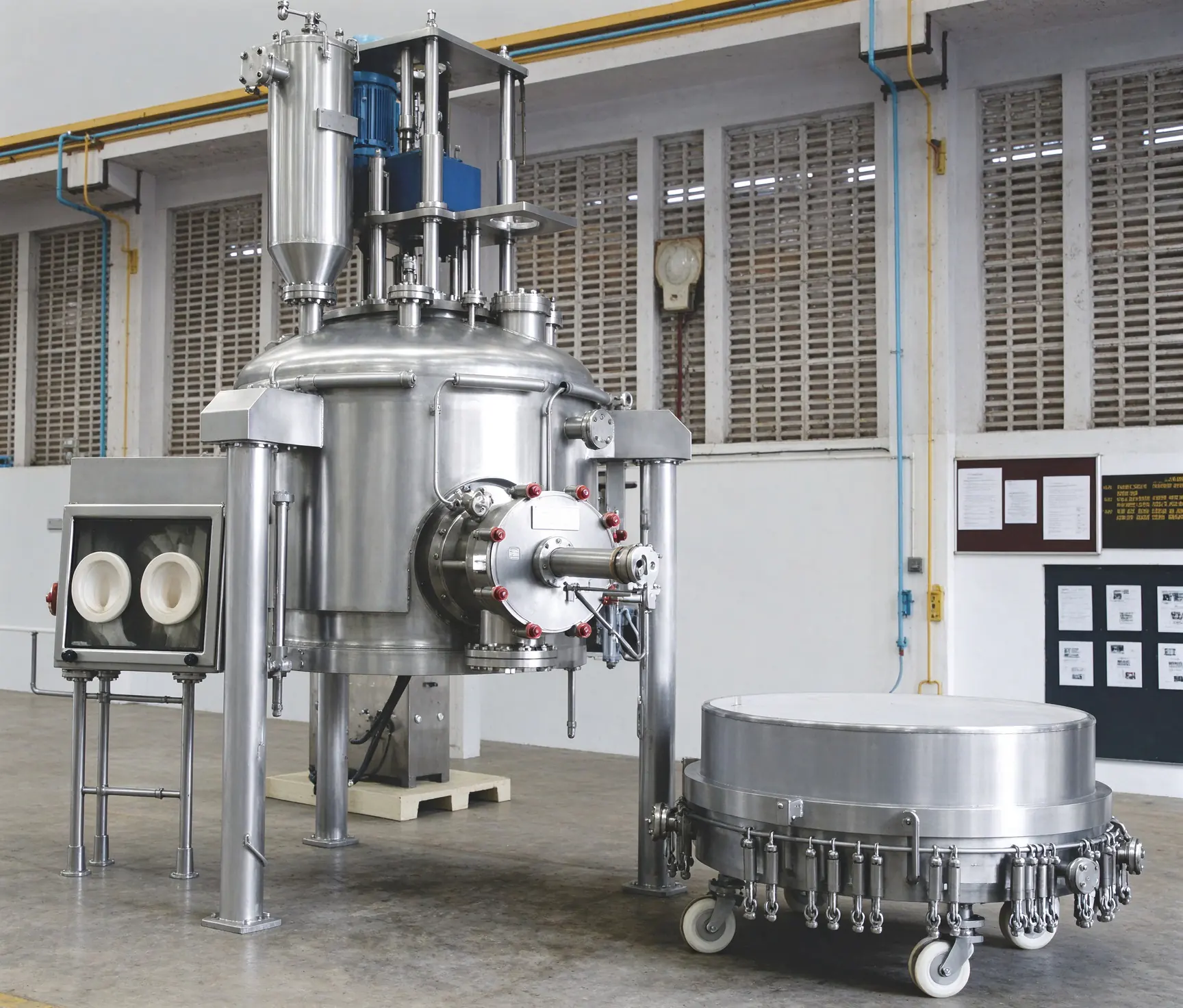
Detachable-Base Agitated Nutsche Filter Dryer
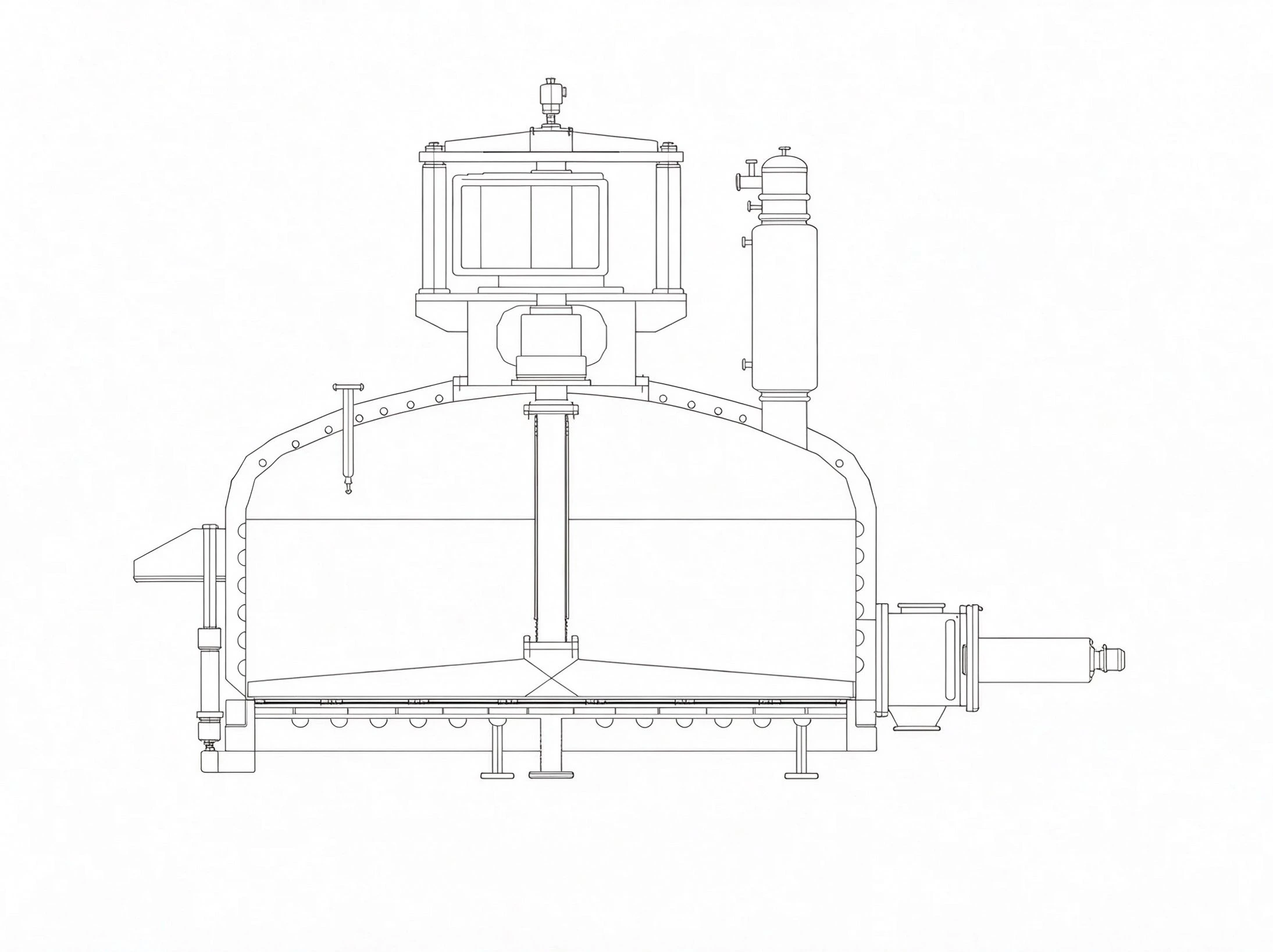
A detachable-base arrangement provides another route to accessing the lower filtration assembly. The opening mechanism, movement clearance and reconnection procedure form part of the equipment layout.
Selection Tip: Consider when direct access to the lower filter assembly is a priority.
NFD Series Reference Specifications
Compare filtration area alongside vessel volume and drive power. Final selection also depends on cake behaviour, washing requirements and the drying duty.
| Model | Vessel Inside Diameter, mm | Filtration Area, m² | Listed Vessel Volume, m³ | Motor Power, kW |
|---|---|---|---|---|
| NFD400 | 400 | 0.12 | 0.06 | 0.75 |
| NFD800 | 800 | 0.5 | 0.46 | 4.0 |
| NFD1200 | 1200 | 1.1 | 1.2 | 7.5 |
| NFD1600 | 1600 | 2.0 | 2.4 | 11.0 |
| NFD2000 | 2000 | 3.1 | 4.0 | 15.0 |
| NFD2600 | 2600 | 5.3 | 6.9 | 22 |
| NFD3600 | 3600 | 10 | 14 | 37 |
What Is an Agitated Nutsche Filter Dryer and How does it work?
An agitated nutsche filter dryer is a batch-processing vessel that separates solids from liquid, washes the retained cake and dries the solids without transferring them to a separate dryer.
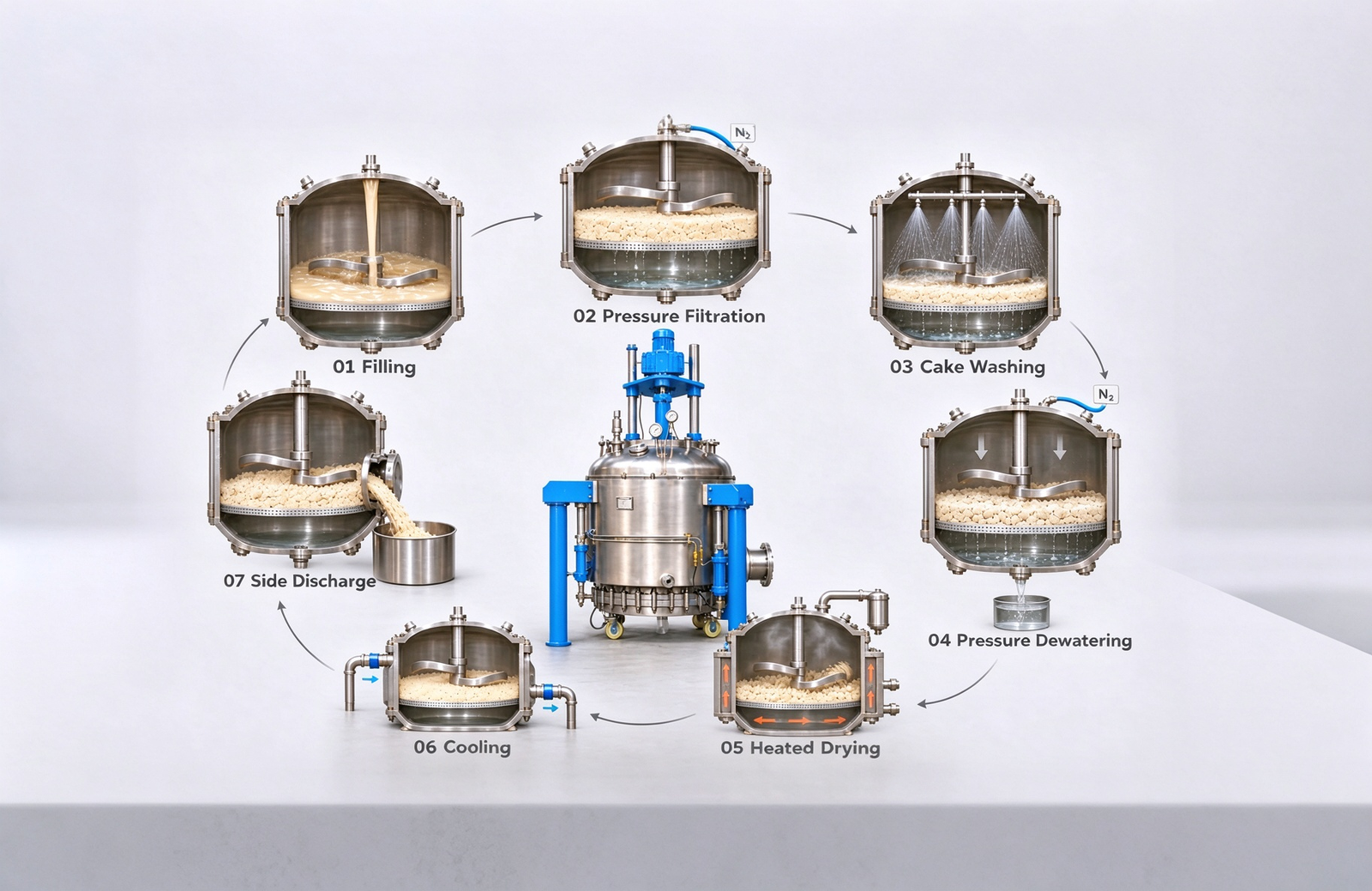
Fill the Vessel
Slurry enters through the top inlet and collects above the filter medium, ready for solid–liquid separation.
Separate the Solids
Nitrogen pressure drives liquid through the filter cake and filter medium. Solids remain above the filtration base, while the filtrate drains from the bottom outlet.
Wash the Filter Cake
Fresh wash liquid is distributed over the retained cake to displace residual mother liquor.
Pressure-Dewater the Cake
Nitrogen pressure is applied again to force remaining drainable wash liquid through the cake and filter medium. The liquid exits through the bottom outlet before drying begins.
Dry with Heat and Agitation
Heated surfaces supply energy for evaporation. The agitator turns and loosens the material, exposing fresh surfaces as vapour leaves through the outlet. Vacuum drying is available as an optional configuration.
Cool the Product
Cooling fluid circulates through the jacket to reduce the product temperature before discharge. The cooling fluid remains separate from the product.
Discharge the Product
The agitator guides dried solids through the side outlet into a receiving container. Discharge behaviour and residual heel depend on the material and the selected outlet arrangement.
Address the Process Challenges Behind the Equipment Choice
Transfers Between Filtration and Drying
Moving wet cake between separate machines adds handling and transfer steps. An ANFD keeps filtration, washing and drying within one process vessel.
Uneven Washing or Difficult Cake Behaviour
Cracks can create preferential flow paths during displacement washing. Cake levelling and an appropriate washing sequence should be evaluated against the material’s permeability and impurity-removal target.
Cleaning Access That Was Considered Too Late
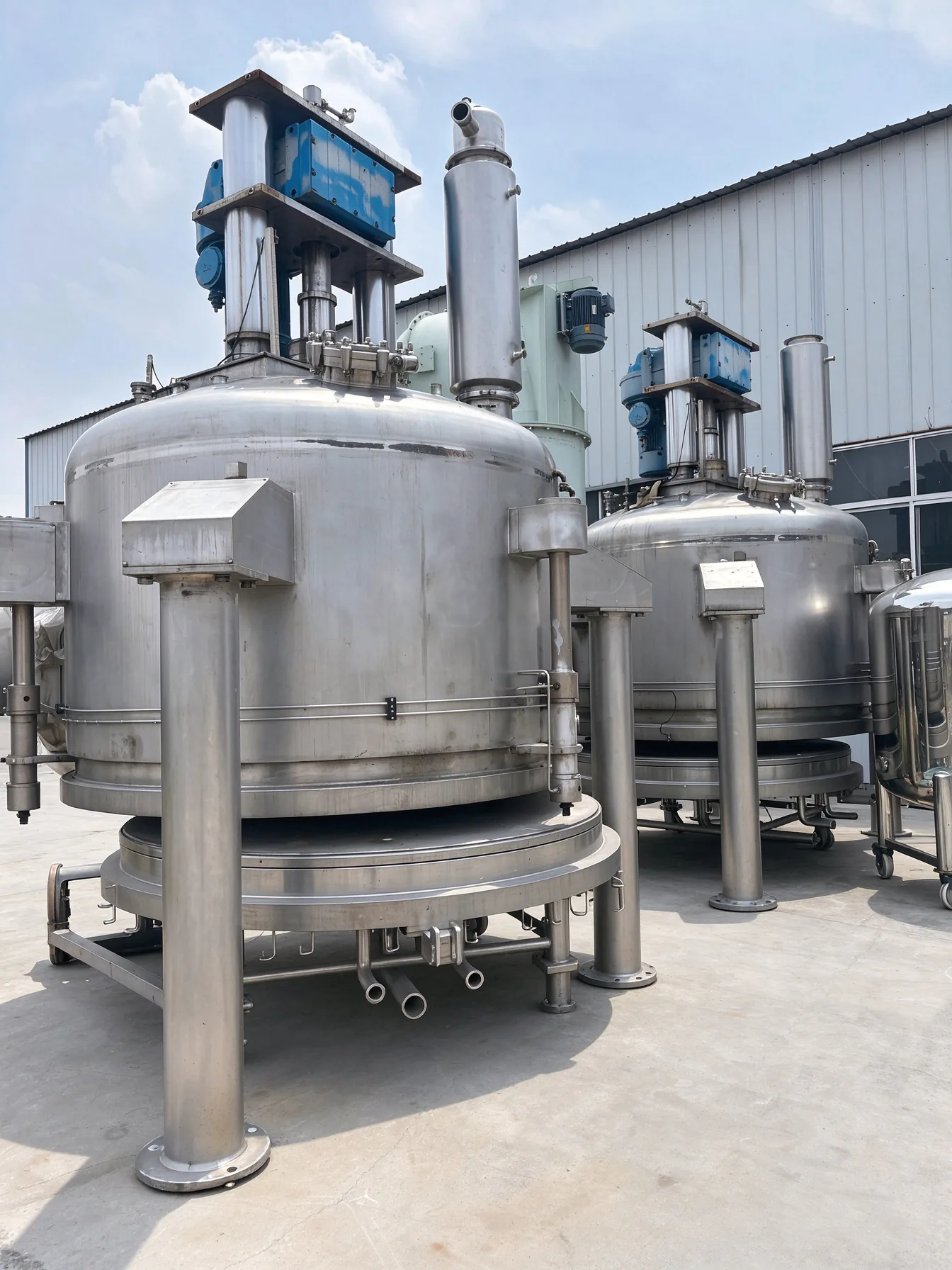
Filter-media replacement and internal access affect the equipment layout. Comparing fixed and detachable bases early helps align the maintenance procedure with the available floor space and access route.
A Clearer Basis for Equipment Selection
Integrated Process Functions
Evaluate filtration, washing and drying as connected operations, with fewer equipment-to-equipment transfers in the process route.
More Than One Base Arrangement
Compare fixed and detachable base configurations against the actual cleaning and maintenance procedure.
Material-Led Engineering
We review material characteristics and process requirements before agreeing the equipment configuration. The discussion connects the vessel, heating, vacuum interfaces, discharge and installation requirements.
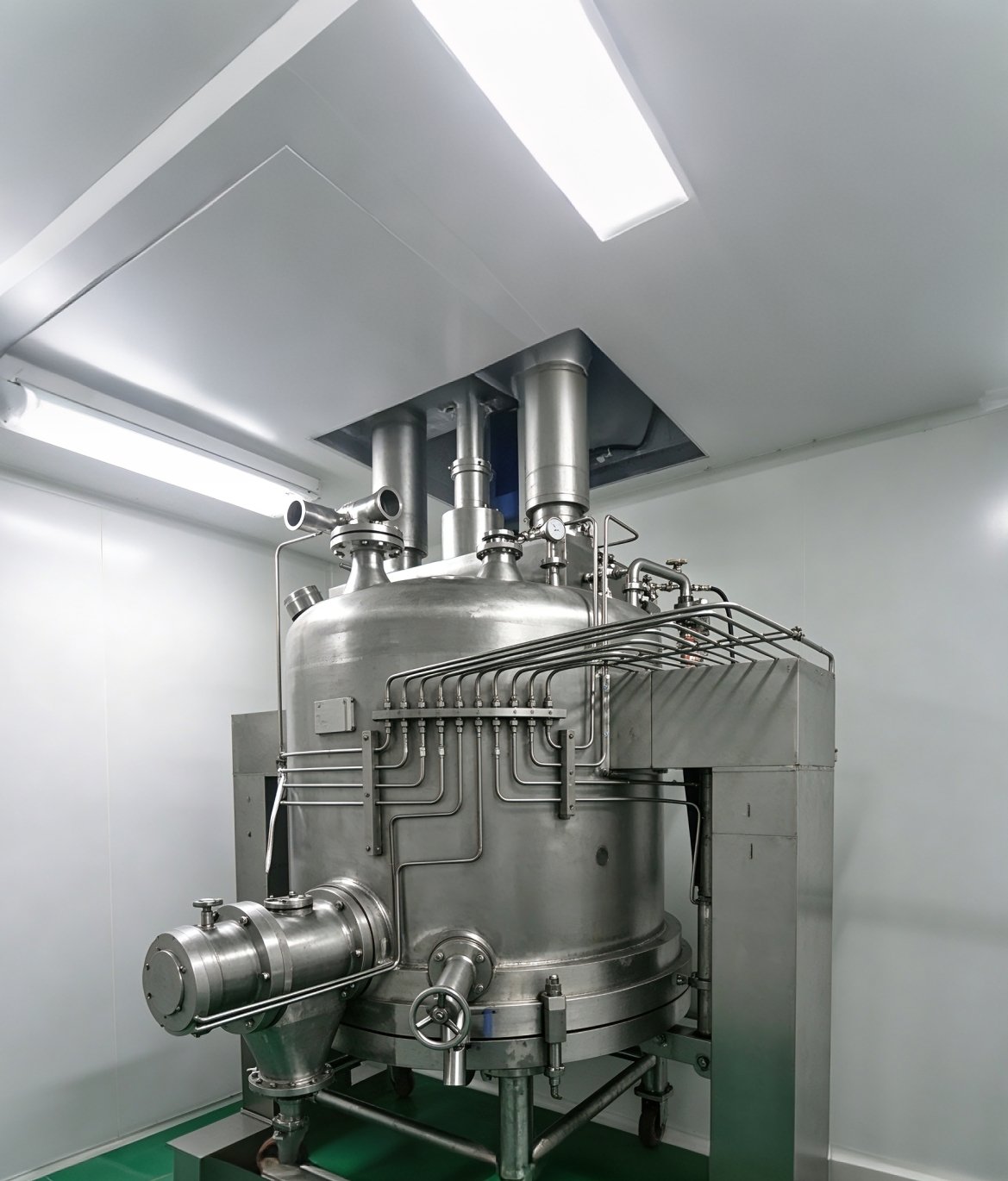
Project Configuration Example: SHY2600
A project specification for a 2,600 mm integrated-base unit illustrates how filtration area, cake depth, agitation and maintenance access can be defined together.
| Vessel inside diameter | 2,600 mm |
| Filtration area | 5.3 m² |
| Product-contact material | 304 stainless steel |
| Filter medium | Filter cloth |
| Maximum specified cake thickness | 450 mm |
| Agitator motor | 22 kW |
| Agitator speed range | 0–18 rpm |
| Agitator lifting stroke | 450 mm |
| Vessel working temperature limit | ≤70°C |
| Side discharge outlet | DN300 |
Configuration Details That Matter
The specification combines an integral filtration base with a DN500 access manhole, a two-blade S-shaped agitator, coil and base heating, and three rotating cleaning spray devices.
How to Choose an Agitated Nutsche Filter Dryer
Start with Filtration Area and Cake Behaviour
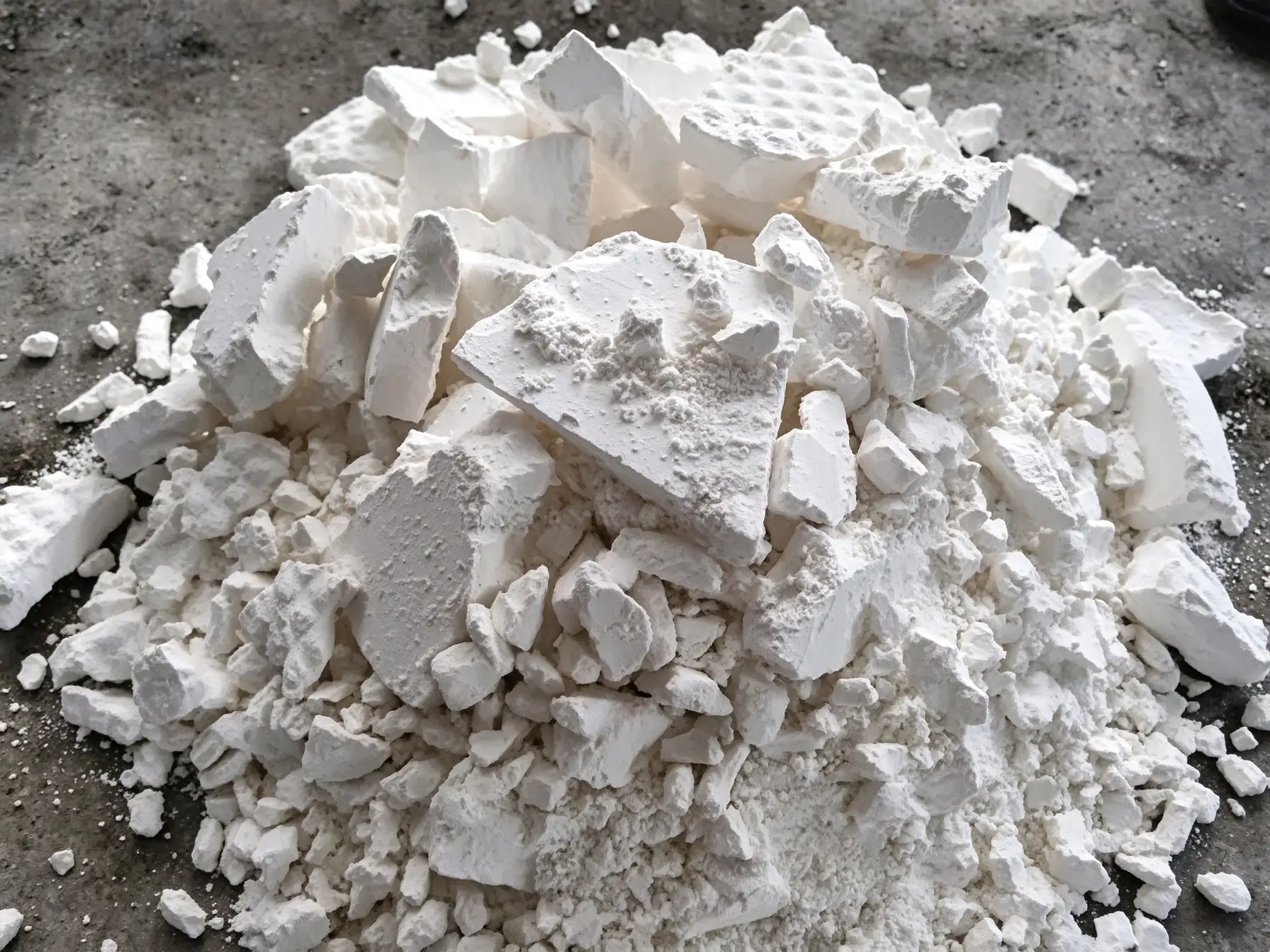
Vessel volume alone does not determine a suitable batch size. Particle size, cake compressibility, permeability and allowable cake depth influence filtration and washing performance.
As an initial geometric check, cake volume equals filtration area multiplied by cake depth. Actual batch loading also requires cake-density data, freeboard and mechanical limits.
Match Materials and Drying Conditions
Evaluate product-contact metals and seals against the complete process mixture, including wash liquids and cleaning agents. For drying, review solvent properties, heat sensitivity, available heating conditions and vapour load.
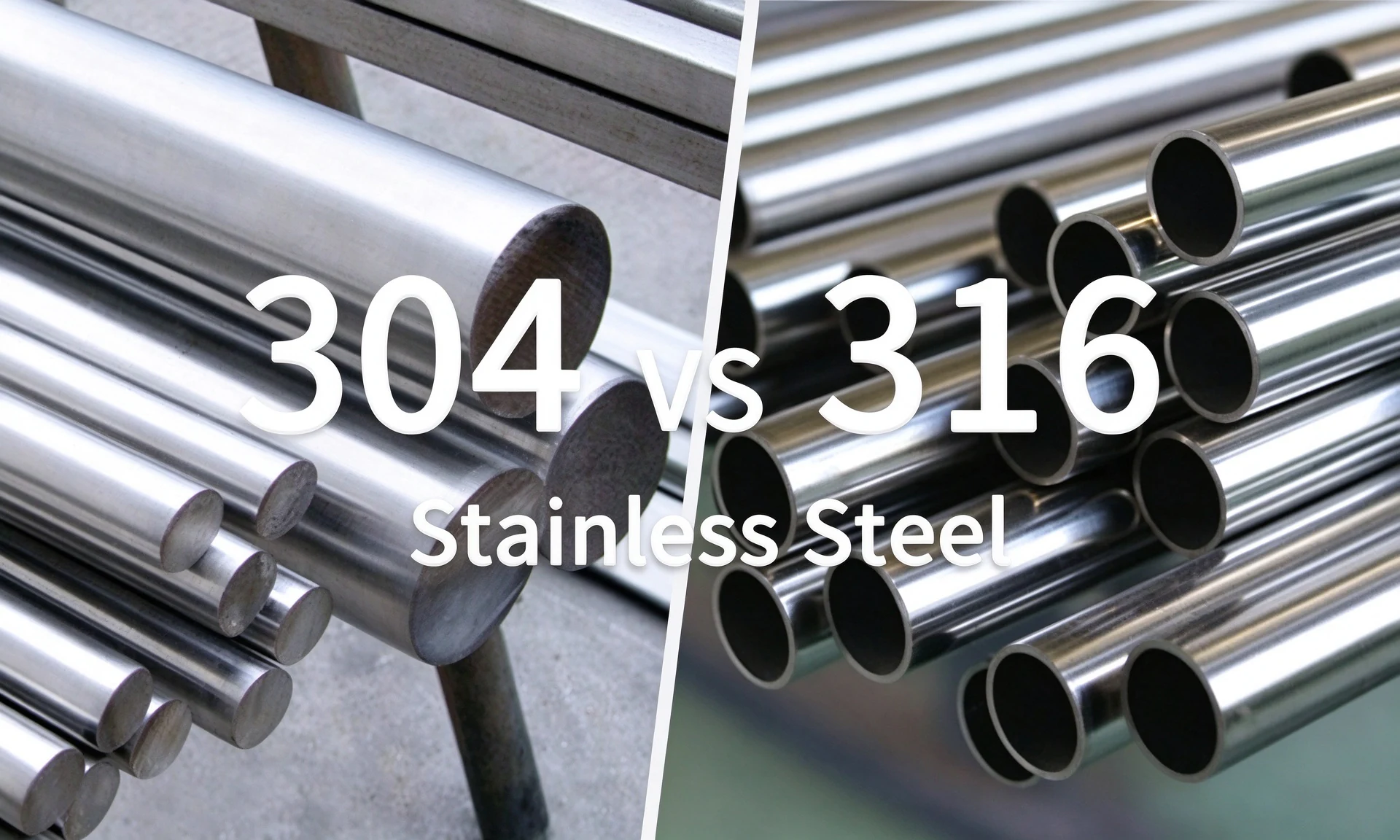
304 and 316L stainless steel are common material options for evaluation. 304 is preferred for general working conditions, and 316L is recommended for product-wetted parts when dealing with corrosive chemical materials.
Check Access and System Interfaces
Base access, filter replacement, discharge clearance and overhead maintenance space should be reviewed with the equipment layout. Vacuum, condensation, heating and receiving equipment must be included in the scope discussion.
A useful selection compares the complete batch cycle and installation requirements, rather than choosing the largest vessel or the highest motor rating.
ANFD vs Agitated Nutsche Filter vs Vacuum Dryer
Choose an ANFD when filtration and washing belong in the same equipment route as final drying. If your upstream process already produces a suitable wet cake, a separate vacuum dryer may also deserve evaluation.
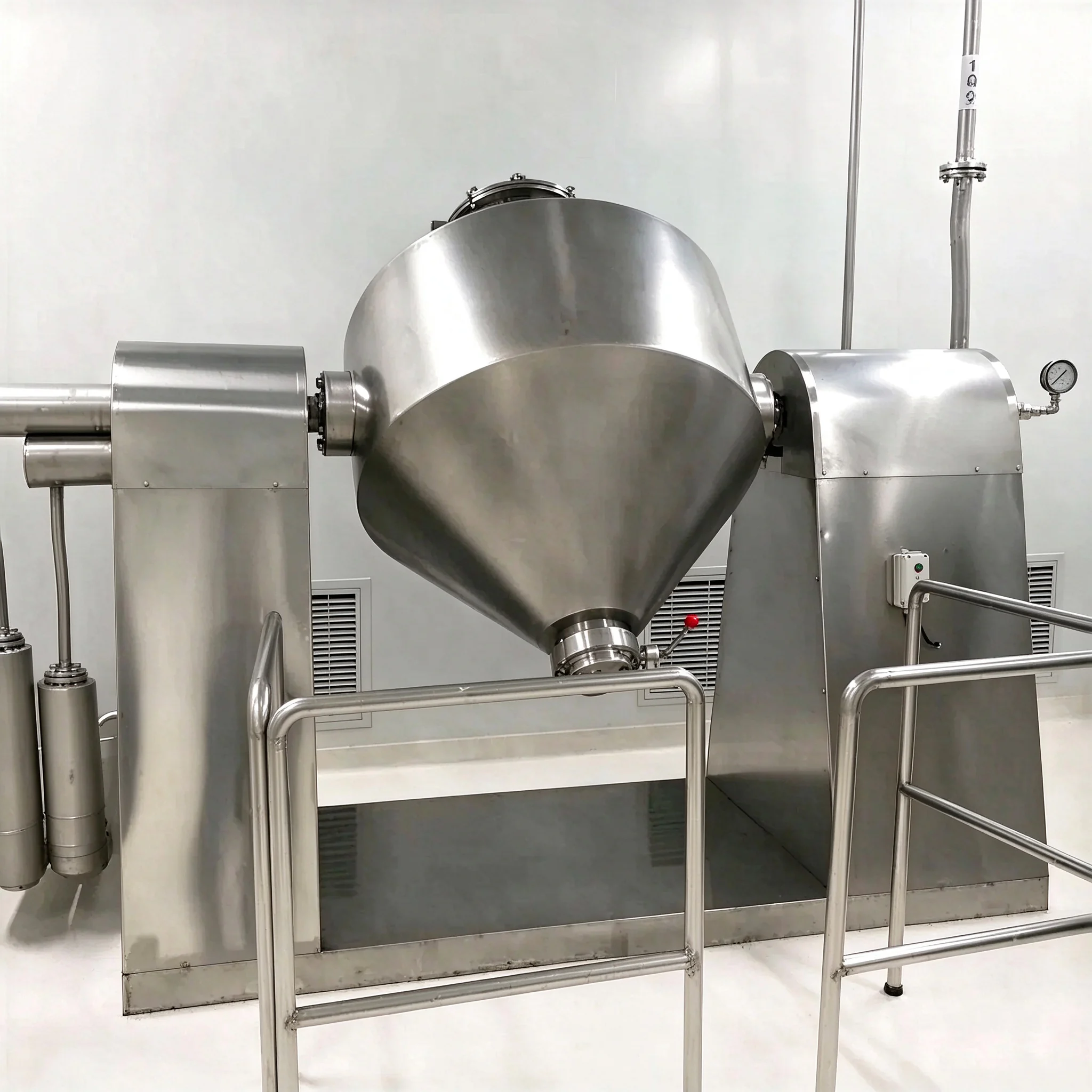
| Selection Point | Agitated Nutsche Filter Dryer | Agitated Nutsche Filter | Standalone Vacuum Dryer |
|---|---|---|---|
| Main process role | Filtration, washing and drying | Filtration and washing | Drying material that has already been prepared or separated |
| Final thermal drying | Included in the selected configuration | Requires a separate drying step when needed | Its principal function |
| Liquid separation through a filter base | Part of the process | Part of the process | Usually requires upstream separation equipment |
| Main selection focus | Cake filtration, washing, drying and discharge together | Separation and washing requirements | Heat transfer, material movement and evaporation duty |
| Process fit | Integrated batch isolation and drying | Wet product or a separate downstream dryer | Existing filtration line or material that does not require in-vessel filtration |
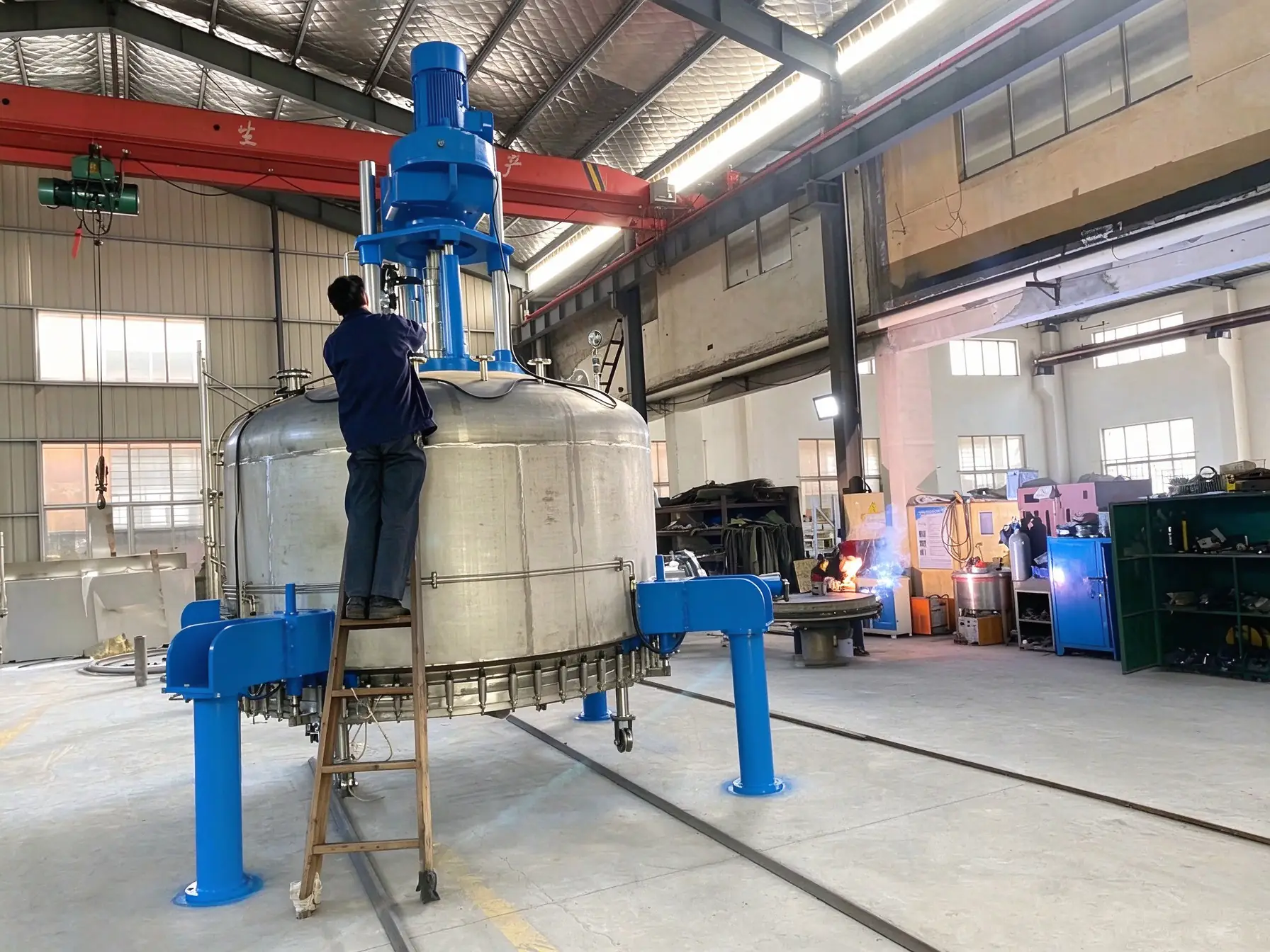
Work with JEXDRY on the Complete Equipment Specification
JEXDRY is the international industrial drying equipment brand of Jiangsu Xingxing Drying Equipment Co., Ltd., based in Changzhou, China.
We connect material review, equipment selection, configuration and manufacturing discussions so that the project moves forward with a clear technical scope.
Material and Process Review
Identify the feed properties, washing objective and drying target.
Configuration and Layout
Review the vessel arrangement, access, interfaces and supply boundary.
Manufacturing and Agreed Acceptance
Define the inspection and factory acceptance scope for the project.
Delivery and Operating Support
Agree the required technical documents, installation guidance and training.
Agitated Nutsche Filter Dryer FAQs
What applications are suitable for an ANFD?
ANFDs are used for batch processes that require solid-liquid separation, cake washing and subsequent drying. Common application areas include chemical intermediates and pharmaceutical processing.
The material must form a workable filter cake. Very fine, highly compressible or poorly permeable solids need particular attention because filtration can become the limiting step. Application suitability should be assessed from the material and process conditions, rather than the industry name alone.
How does an ANFD improve process efficiency?
Its main process advantage is combining several operations in one vessel, reducing transfers between a filter and a separate dryer.
Actual cycle performance depends on filtration resistance, washing sequence, heat transfer, vacuum conditions and discharge time. Compare the complete cycle, including cleaning and turnaround, rather than relying on an isolated drying-time claim.
Which features should I compare before purchasing?
Compare filtration area, usable cake depth, product-contact materials, seal compatibility, heating arrangement, agitation, discharge and access to the filtration assembly.
Our NFD reference specifications provide a starting point for size comparison. The SHY2600 project example shows how an integral base, access manhole, agitator stroke and discharge outlet can be specified together for one project.
How should I evaluate an ANFD manufacturer?
Ask the manufacturer to explain the equipment against your material and operating conditions. A useful technical discussion should cover filtration and washing behaviour, mechanical access, the drying duty and the boundaries of the supplied system.
Before placing an order, review the agreed specification, relevant drawings, applicable inspection requirements, acceptance criteria and operating documentation. JEXDRY’s company information and direct contact details are available through our About and Contact pages.
What determines the price of a new ANFD?
Price depends on size, construction materials, mechanical design, heating surfaces, sealing, controls and the required inspection or documentation scope. Vacuum equipment, condensers, heating utilities and discharge accessories can also change the overall project cost.
We quote against an agreed configuration and supply boundary. Compare quotations on the same basis, including auxiliary equipment, installation responsibilities and acceptance scope.
Does a cleaning spray system mean the equipment is validated for CIP or SIP?
No. Spray devices provide a cleaning function, but validated cleaning or sterilisation requires a defined design, procedure and documented verification.
The SHY2600 example specifies three rotating cleaning devices. This feature alone does not establish validated CIP, SIP or sterile processing capability.
Can final moisture and batch time be guaranteed from the model size?
Model size alone cannot establish either result. Solvent composition, initial liquid content, cake properties, permissible product temperature and the available vacuum and heating conditions all affect drying.
Any agreed performance target needs defined feed conditions, an endpoint measurement method and acceptance criteria. Where testing is needed, its scope should be agreed before a performance commitment is made.
Discuss Your Filtration, Washing and Drying Project
Share your material, batch requirements and process targets. We can review the equipment configuration and the scope needed for a useful technical discussion.
Useful details include: the solid and solvent system, batch quantity, filtration behaviour, washing objective and final drying target.